



WHY CARBON BRUSH FAILURE HAPPENS — AND HOW TO PREVENT IT
Carbon brushes are small components with a massive impact. Whether you’re running traction motors, slip ring motors, crushers, conveyors, winders, or generators, the performance of the entire machine depends on stable, reliable brush contact.
Yet in most industrial failures, the carbon brush is blamed first — when in reality, the root cause is often around the brush, not the brush itself.
In this article, we break down the most common carbon brush failures, why they occur, and how industries across Europe, Middle East, and Africa (EMEA) can prevent them.
Why Carbon Brush Failure Happens?
The Real Cost of Carbon Brush Failure
Carbon brush issues may seem minor, but the consequences can be severe:
1. Incorrect Brush Grade Selection
Choosing the wrong brush grade is one of the leading causes of failure.
2. Poor Spring Pressure or Incorrect Force
Spring pressure is the unsung hero in carbon brush performance.
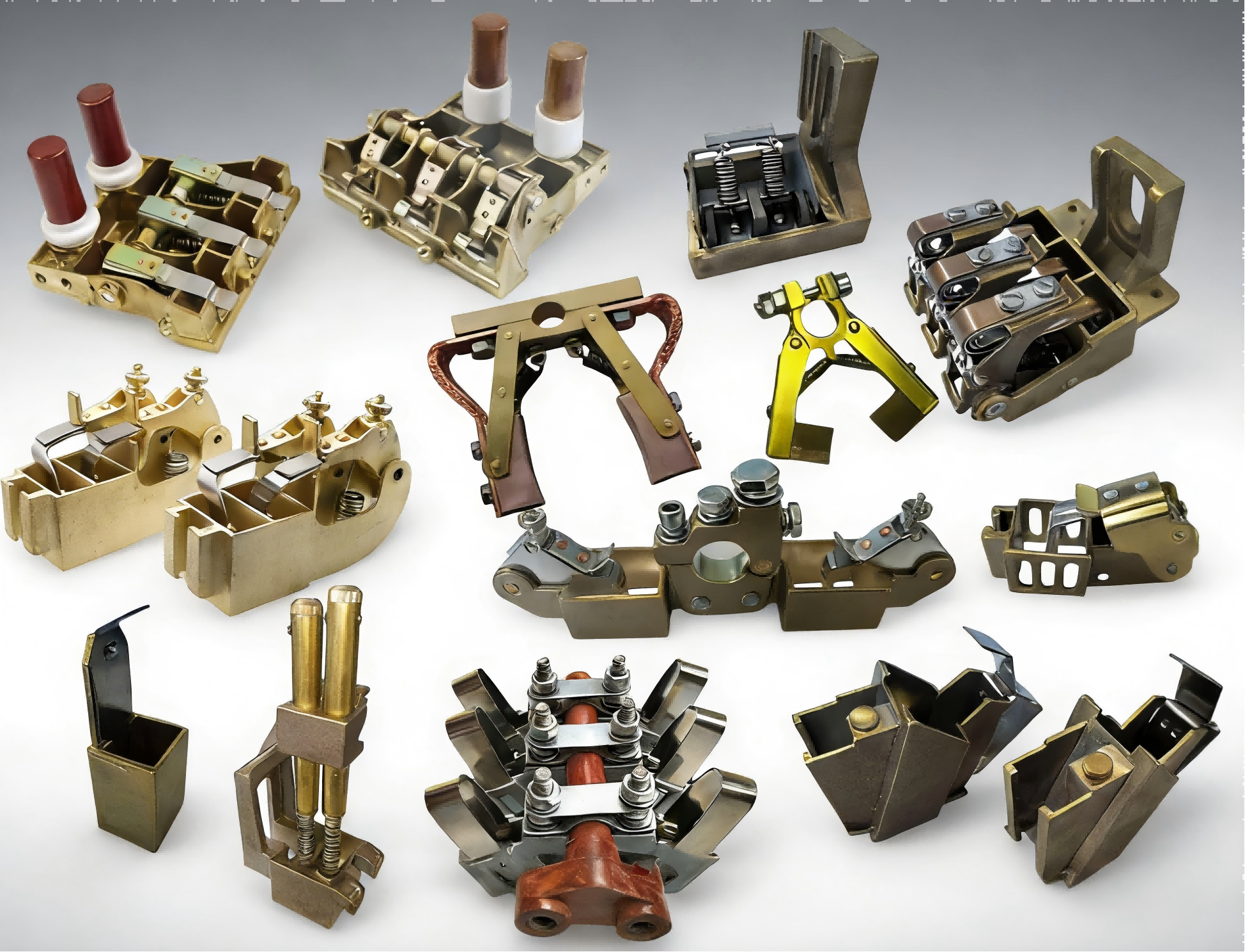
3. Misaligned Brush Holders
Brush alignment errors account for a majority of real-world failures.
4. Dust, Heat, and Contamination
Industries like cement, steel, and mining create harsh environmental conditions.
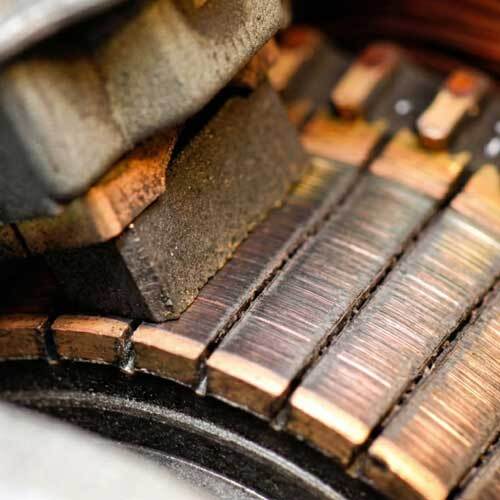
5. Commutator Issues (Often Misdiagnosed as Brush Failure)
Brushes often get blamed for commutator problems.
Tags:
Related Posts